Designer vs. Niche Perfumes: What Is The Real Difference?
Understanding concentration, raw ingredient quality, perfumer freedom, and price-to-performance ratio before investing in luxury fragrances.

Designer vs. Niche Perfumes: Decoding Luxury Olfaction
When entering the world of fine fragrances, one of the most common questions is: Is a $350 niche fragrance truly worth 4x the price of a $90 designer bottle?
What Are Designer Fragrances?
Designer perfumes are created by major global fashion houses (Dior, Chanel, Yves Saint Laurent, Giorgio Armani).
Characteristics of Designer Scents:
Mass Appeal: Formulated through extensive focus group testing to appeal to millions.
Widespread Availability: Sold in department stores worldwide.
Predictable Drydown: Engineered for consistent performance across all skin types.
What Are Niche Fragrances?
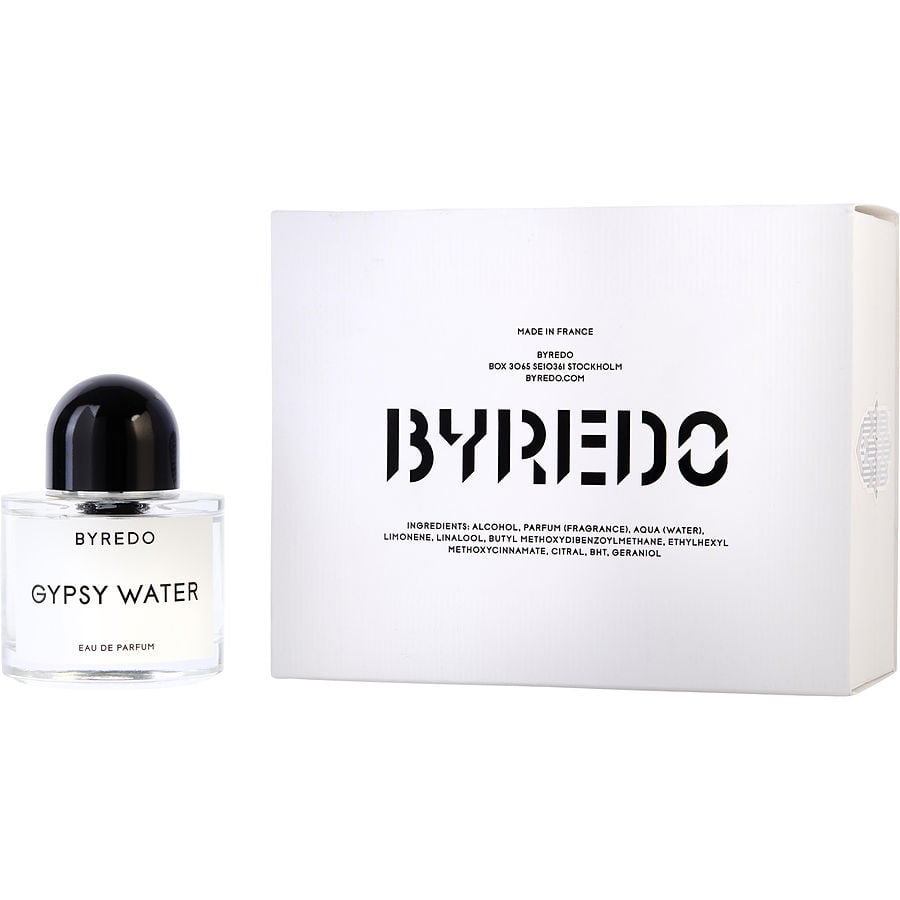
Niche perfume houses (Creed, Parfums de Marly, Maison Francis Kurkdjian, Byredo, Le Labo) focus exclusively on fragrance creation without commercial fashion lines.
Characteristics of Niche Scents:
Artistic Freedom: Perfumers are given unrestricted budgets for rare natural raw ingredients (Iris Butter, Genuine Oud, Ambergris).
Unique Scents: Bold, non-traditional accord combinations that stand out from mass market trends.
Handcrafted Craftsmanship: Produced in smaller batches with higher oil concentrations.
Which Should You Choose?
Choose **Designer** if you want reliable, mass-appealing, affordable daily scents for school, office, or casual wear.
Choose **Niche** if you view fragrance as wearable personal art and want a unique signature scent that nobody else in the room is wearing.